Sangareddy District

June 2026

Temples

Sai Baba Mandir

Sai Baba Mandir, located in Narayankhed, Sangareddy District, is a popular place of worship dedicated to Shirdi Sai Baba. The temple is known for its peaceful surroundings and spiritual atmosphere, attracting devotees who come to offer prayers and seek blessings for health, prosperity, and well-being. Regular bhajans, aarti, and special prayers are conducted, with large gatherings during Guru Purnima, Ram Navami, and Vijayadashami, the major festivals associated with Sai Baba. The temple serves as an important spiritual center, promoting faith, devotion, and community harmony in the region.

Temples

Renuka Yellamma temple

Renuka Yellamma Temple, located in Patancheru, Sangareddy District, is a revered Hindu temple dedicated to Goddess Renuka Yellamma, who is worshipped as a symbol of strength, protection, and compassion. The temple attracts devotees throughout the year, especially during the annual Yellamma Jatara, when thousands of pilgrims gather to offer prayers and seek the Goddess’s blessings. Special pujas, devotional rituals, and cultural programs are conducted during major festivals, creating a vibrant and spiritual atmosphere. The temple is an important religious landmark in the region and reflects the rich cultural and devotional traditions of Sangareddy District.

Temples

Shri Jagannath Temple

Shri Jagannath Temple, located in Isnapur, Sangareddy District, is a prominent Hindu temple dedicated to Lord Jagannath, along with Lord Balabhadra and Goddess Subhadra. The temple is known for its peaceful atmosphere and beautiful architecture, attracting devotees from nearby towns and villages. Special celebrations such as Rath Yatra, Janmashtami, and other religious festivals are observed with great devotion, featuring prayers, cultural programs, and community participation. The temple is an important spiritual and cultural landmark, offering visitors a place for worship, devotion, and inner peace.

Temples

Eeshawara Markandeya Mandiram

Eeshawara Markandeya Mandiram, located in Sadashivpet, Sangareddy District, is a well-known Hindu temple dedicated to Lord Shiva and the sage Markandeya. The temple is revered for its peaceful ambiance and spiritual significance, attracting devotees throughout the year. Special prayers, abhishekams, and devotional programs are conducted during Maha Shivaratri, Karthika Masam, and other auspicious occasions. With its religious importance and serene environment, the temple serves as a cherished place of worship and a significant spiritual landmark in Sadashivpet.

Temples

Sri Venkateswara Swami Temple, Vaikuntapuram

Sri Venkateswara Swami Temple, located in Vaikuntapuram, is a revered Hindu temple dedicated to Lord Venkateswara, an incarnation of Lord Vishnu. The temple is known for its peaceful surroundings, spiritual atmosphere, and beautifully maintained premises. Devotees visit throughout the year to offer prayers and seek blessings for health, prosperity, and well-being. Special celebrations during festivals such as Vaikunta Ekadashi, Brahmotsavam, and other religious occasions attract large numbers of pilgrims. The temple serves as an important center of faith and devotion, making it a cherished spiritual destination for visitors and devotees alike.

Agriculture

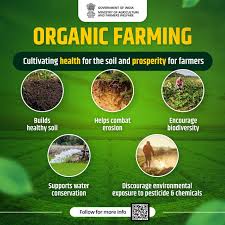
Focus on Organic Farming and Soil Health

Sangareddy Agriculture Department Promotes Sustainable Farming and Soil Health Management The Agriculture Department of Sangareddy district continues to implement a range of programs aimed at improving agricultural productivity, enhancing soil fertility, and promoting environmentally sustainable farming practices. Through initiatives focused on soil-health management, organic farming, micronutrient distribution, and sustainable agriculture, the department is working to support farmers in achieving higher yields while preserving natural resources for future generations. These programs form part of a broader effort to encourage scientific farming methods, improve crop quality, and ensure the long-term sustainability of agriculture in the district. Agriculture officials regularly conduct awareness campaigns, field demonstrations, training programs, and farmer interactions to promote the adoption of modern and eco-friendly agricultural techniques. Focus on Soil Health Management Healthy soil is the foundation of successful agriculture. Recognizing this, the Agriculture Department has prioritized soil-health management through various interventions designed to maintain and improve soil fertility. Key activities include: By helping farmers understand the condition of their soils, the department enables them to make informed decisions regarding crop selection and nutrient application. Encouraging Organic Farming The department is also actively promoting organic farming practices as a sustainable alternative to excessive dependence on chemical inputs. Organic cultivation helps improve soil quality, reduce environmental impact, and produce healthier agricultural products. Benefits of organic farming include: Farmers are encouraged to adopt organic inputs such as farmyard manure, compost, vermicompost, biofertilizers, and biopesticides to maintain ecological balance and improve soil productivity. Distribution of Micronutrients Micronutrient deficiencies have become a challenge in many agricultural areas due to intensive cultivation and changing soil conditions. To address this issue, the department continues to supply essential micronutrients to farmers. Micronutrient distribution programs aim to: Nutrients such as zinc, boron, iron, and other trace elements play a critical role in maintaining healthy crops and ensuring optimal agricultural productivity. Promoting Sustainable Agriculture Practices The Agriculture Department is encouraging farmers to adopt sustainable agricultural methods that balance productivity with environmental conservation. These practices help farmers cope with changing climatic conditions while protecting natural resources. Major sustainable farming approaches promoted include: Integrated Nutrient Management Combining organic and inorganic nutrient sources for balanced crop nutrition. Water Conservation Techniques Encouraging efficient irrigation methods and responsible water use. Crop Diversification Promoting alternative crops to reduce risks and improve farm income. Integrated Pest Management Reducing excessive pesticide use through scientific pest-control strategies. Conservation Agriculture Practices that protect soil health and improve resource efficiency. Benefits for Farmers The implementation of these programs provides multiple benefits to the farming community: By adopting scientific and sustainable practices, farmers can strengthen the productivity and profitability of their agricultural operations. Supporting Agricultural Development Agriculture remains one of the most important sectors in Sangareddy district, supporting thousands of farming families and contributing significantly to the local economy. The department’s continued focus on soil health, organic farming, and sustainable agriculture reflects a commitment to ensuring that agricultural growth remains both productive and environmentally responsible. Through training, technical guidance, and input support, the department is helping farmers transition toward more resilient and resource-efficient farming systems.


Agriculture

Human Rights Commission Orders Water Release

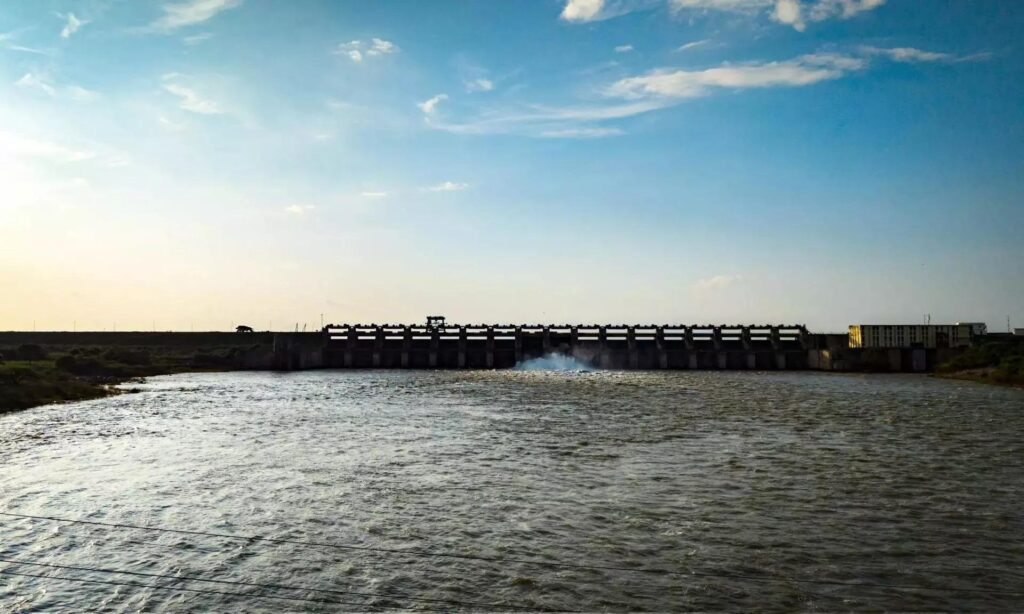
Telangana Human Rights Commission Directs Release of Water from Singur Reservoir to Protect Paddy Crops In a significant development for the farming community, the Telangana Human Rights Commission (THRC) directed the concerned authorities to release water from the Singur Reservoir to safeguard standing paddy crops cultivated under the Ghanpur Anicut irrigation system. The decision came in response to concerns raised by farmers regarding the shortage of irrigation water and the potential threat to crops spread across nearly 20,000 acres of agricultural land. The directive was welcomed by farmers and agricultural organizations, as timely irrigation is critical during key stages of crop growth. With thousands of acres of paddy dependent on water from the Ghanpur Anicut system, the availability of adequate irrigation was considered essential to prevent crop damage and protect farmers’ livelihoods. Importance of Water Release Paddy is a water-intensive crop that requires a consistent supply of irrigation throughout its growth cycle. Any interruption in water availability during crucial stages can adversely affect plant development, reduce yields, and lead to significant financial losses for farmers. The release of water from the Singur Reservoir is expected to: Farmers expressed relief that the issue received attention before irreversible damage could occur to the crop. Role of the Ghanpur Anicut System The Ghanpur Anicut system plays an important role in distributing irrigation water to agricultural lands in parts of Sangareddy district and surrounding regions. Thousands of farmers depend on this network for cultivating paddy and other crops during the agricultural season. Reliable water supply through the anicut system contributes to: Any disruption in water flow can have a direct impact on agricultural operations and farmer incomes. Protecting Farmers’ Livelihoods Agriculture remains the primary source of income for a large section of the rural population. Farmers invest substantial resources in seeds, fertilizers, labor, and crop management, making irrigation support crucial for ensuring successful harvests. The Human Rights Commission’s intervention highlights the importance of safeguarding the livelihoods of farming communities and ensuring that essential resources such as irrigation water are managed effectively to prevent avoidable hardship. Balancing Water Resource Management Officials continue to face the challenge of balancing water requirements for agriculture, drinking water supply, and reservoir management. Decisions regarding water releases must take into account seasonal rainfall, storage levels, irrigation demands, and future water needs. Experts emphasize that efficient water management and timely planning are essential for maximizing the benefits of irrigation projects while supporting both agricultural and public requirements. Positive Response from Farming Community The directive to release water was viewed positively by farmers who feared crop losses due to inadequate irrigation. Agricultural leaders noted that timely intervention can make a significant difference in protecting standing crops and ensuring a successful harvest. Many farmers expressed hope that continued coordination among irrigation authorities, agricultural departments, and local stakeholders would help address future water-related challenges more effectively.

Agriculture

Singur Dam Repairs Affect Irrigation Plans

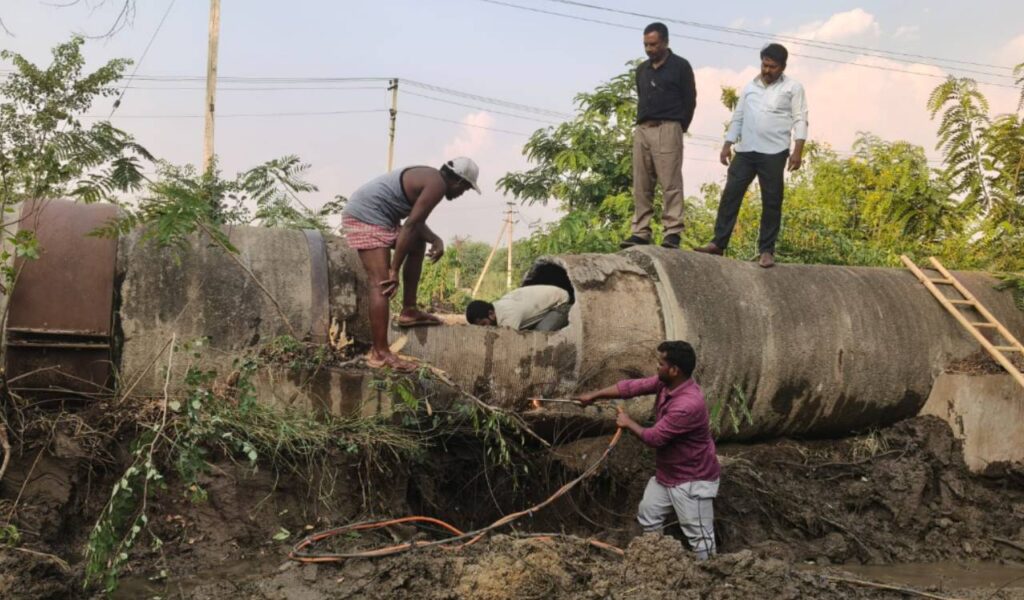
Singur Dam Repair Works May Temporarily Affect Irrigation Supply Irrigation officials have announced that repair and maintenance works at the Singur Dam may temporarily impact water supply to thousands of acres of farmland falling under the Singur ayacut area. The announcement has drawn the attention of farmers across Sangareddy district and neighboring regions, as the reservoir serves as a vital source of irrigation water for agricultural activities. According to officials, the repair works are necessary to ensure the long-term safety, efficiency, and operational reliability of the dam and its associated canal network. While the maintenance activities are expected to strengthen the irrigation infrastructure, temporary restrictions on water release may affect farming operations during the implementation period. Importance of Singur Dam The Singur Dam is one of the most important irrigation and water supply projects in the region. Apart from supporting drinking water needs, it provides irrigation water to a vast command area, helping thousands of farmers cultivate crops throughout the agricultural season. The ayacut under Singur supports the cultivation of several major crops, including: A reliable water supply from the reservoir is therefore crucial for sustaining agricultural productivity and rural livelihoods. Concerns Among Farmers The possibility of reduced water availability has created concern among farmers who depend on canal irrigation for their crops. Many cultivators are closely monitoring the situation and evaluating their farming plans based on expected water availability. Key concerns include: Farmers have requested timely information regarding water release schedules so they can make informed decisions about crop planning. Shift Toward Alternative Crops In response to the anticipated temporary reduction in irrigation supply, agricultural experts and irrigation authorities have advised farmers to consider crops that require comparatively less water. Alternative crop options may include: Such crops can help farmers reduce irrigation requirements while maintaining agricultural productivity during the repair period. Long-Term Benefits of the Repair Works Although the maintenance activities may cause short-term inconvenience, officials emphasized that the repairs are essential for the long-term sustainability of the irrigation system. Expected benefits include: Improved Dam Safety Strengthening critical infrastructure and ensuring structural reliability. Better Water Management Enhancing the efficiency of water storage and distribution systems. Reduced Future Disruptions Preventing larger operational issues that could affect irrigation and drinking water supply. Enhanced Service Life Extending the lifespan of important irrigation infrastructure. Authorities have assured farmers that efforts will be made to complete the repairs efficiently and minimize disruptions wherever possible. Coordination Between Departments The Irrigation Department and Agriculture Department are expected to work closely to provide guidance and support to affected farmers. Officials may issue advisories regarding suitable crop choices, water management practices, and contingency planning to help farmers adapt to the temporary situation. Such coordination is important to reduce the impact on agricultural production and safeguard farmer livelihoods.

Agriculture

Horticulture Farmers Eligible for Up to 100% Subsidy

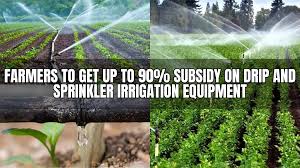
Horticulture Department Promotes Modern Farming Technologies Through Subsidy Programs The Horticulture Department has intensified efforts to encourage farmers in Sangareddy district to adopt modern agricultural practices and advanced cultivation technologies aimed at improving productivity, conserving resources, and enhancing farm incomes. Through various government-supported schemes, farmers are being encouraged to utilize drip irrigation systems, sprinklers, polyhouses, shade-net structures, and oil-palm cultivation, with subsidies covering up to 100 percent of the eligible costs in certain categories. The initiative is part of a broader strategy to modernize agriculture, promote efficient use of water resources, and help farmers transition toward high-value and sustainable farming practices. Officials have been conducting awareness programs, field demonstrations, and outreach campaigns to educate farmers about the benefits of these technologies and the financial assistance available under government schemes. Promoting Water-Efficient Irrigation With increasing pressure on water resources, the department is giving special emphasis to micro-irrigation systems such as drip irrigation and sprinklers. Drip Irrigation Drip irrigation delivers water directly to plant roots, minimizing wastage and ensuring efficient water utilization. Benefits include: Sprinkler Irrigation Sprinkler systems distribute water evenly across fields and are particularly useful for a variety of crops and soil conditions. These systems help farmers maintain optimal moisture levels while conserving water. Encouraging Protected Cultivation The department is also promoting polyhouses and shade-net houses, which provide controlled environments for crop production. Polyhouses Polyhouses enable farmers to cultivate crops under protected conditions, reducing the impact of adverse weather and improving crop quality. Advantages include: Shade-Net Structures Shade nets help regulate temperature and sunlight exposure, making them suitable for horticultural crops, nurseries, vegetables, and flowers. Protected cultivation technologies are increasingly being viewed as effective tools for increasing agricultural productivity and income. Encouraging Oil-Palm Cultivation As part of efforts to diversify agriculture and reduce dependence on imported edible oils, the Horticulture Department is also encouraging farmers to take up oil-palm cultivation. Oil palm is considered a commercially viable crop with long-term income potential and strong market demand. The government provides incentives and technical support to farmers willing to cultivate oil palm, including assistance for planting material, irrigation infrastructure, and maintenance during the initial years. Benefits of oil-palm cultivation include: Financial Assistance Through Subsidies One of the major attractions of these programs is the availability of substantial government subsidies. Depending on eligibility and scheme guidelines, farmers can receive assistance covering a significant portion—and in some cases up to 100 percent—of the approved costs. The subsidies are designed to: Benefits for Sangareddy Farmers The adoption of modern horticultural technologies can provide several long-term advantages to farmers in Sangareddy district: These initiatives are particularly important as farmers seek innovative solutions to challenges such as water scarcity, rising input costs, and changing weather patterns.

Agriculture

Chia Cultivation Gains Popularity

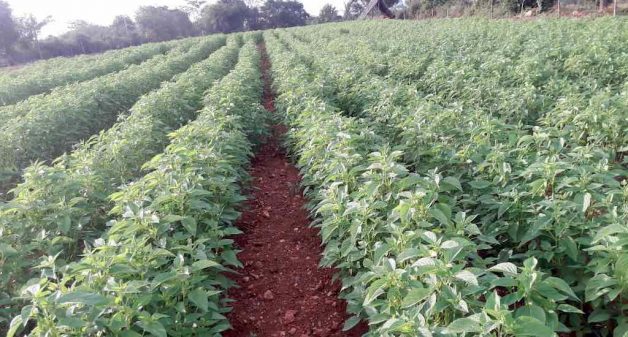
Farmers in Border Mandals Embrace Chia Cultivation for Better Returns Farmers in the border mandals of Sangareddy district, particularly in areas such as Kangti, are increasingly turning to chia cultivation as a profitable alternative to traditional crops. The growing popularity of chia farming is driven by strong market demand, relatively low pest incidence, lower cultivation risks, and the potential for higher financial returns compared to conventional agricultural crops. Over the past few years, changing market trends and increasing consumer awareness about health foods have significantly boosted demand for chia seeds. Recognized for their nutritional value and use in health-conscious diets, chia seeds have created new opportunities for farmers seeking diversified and income-generating crops. Rising Popularity of Chia Farming Farmers in Kangti and neighboring regions have observed several advantages in cultivating chia. Unlike some traditional crops that are vulnerable to fluctuating market prices and frequent pest attacks, chia has emerged as a comparatively resilient crop with promising commercial prospects. The key reasons behind the shift include: These factors have encouraged more farmers to experiment with and expand chia cultivation in their fields. Economic Benefits for Farmers One of the major attractions of chia farming is its profitability. Farmers report that the crop offers the potential for higher returns while requiring comparatively lower investment in plant protection measures. Better Market Prices The growing demand from health-food markets and processing industries has created favorable pricing opportunities for producers. Lower Input Costs Reduced pest attacks mean farmers often spend less on pesticides and crop protection measures. Improved Income Stability The crop provides an alternative source of revenue and helps farmers diversify their agricultural activities. Opportunity for Crop Diversification Cultivating chia allows farmers to reduce dependence on traditional crops and spread agricultural risk. Suitable Conditions for Cultivation The climatic and soil conditions in parts of Sangareddy district, including border mandals like Kangti, have proven favorable for chia cultivation. Farmers have found that the crop adapts well to local conditions and can be integrated into existing farming systems. Agricultural experts note that crop diversification through alternatives such as chia can contribute to sustainable farming practices while improving economic resilience among farming communities. Growing Demand in Health and Nutrition Markets The increasing popularity of chia seeds is linked to their widespread use in health-conscious food products. Chia is valued for its nutritional content and is commonly used in: As consumer interest in healthy food options continues to grow, demand for chia seeds has expanded in both domestic and international markets. Encouraging Agricultural Innovation The success of chia cultivation in Kangti and surrounding areas reflects a broader trend of agricultural innovation among farmers. Rather than relying solely on traditional crops, many cultivators are exploring new opportunities that offer improved profitability and market potential. Agriculture officials and experts often encourage such diversification, as it can:

listing
news
Home
Searchjobs
contact